City
Benghazi
Cyrenaica · east
Libya's second city and our home base, known for its twin-domed cathedral and the old lighthouse by the sea.
Made in Libya
Mediterranean coast on top, Sahara below, and five World Heritage sites in between. Here's our home, one panel at a time.
The map
Fourteen places to know, from the capital to a volcano in the middle of the Sahara.
City
Cyrenaica · east
Libya's second city and our home base, known for its twin-domed cathedral and the old lighthouse by the sea.
Pick a pin to read its story. A simplified map, for illustration.
Home base
Our studio is in Benghazi, on Libya's east coast. Two landmarks from the city we call home:
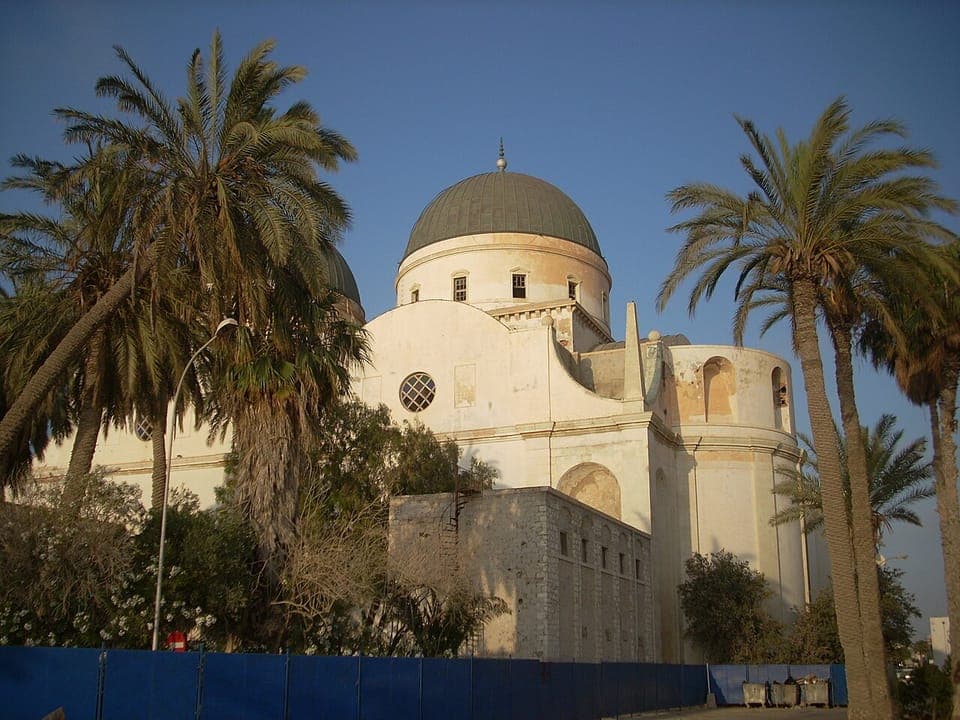
The twin-domed cathedral, built in the 1930s, still stands over the heart of the city.
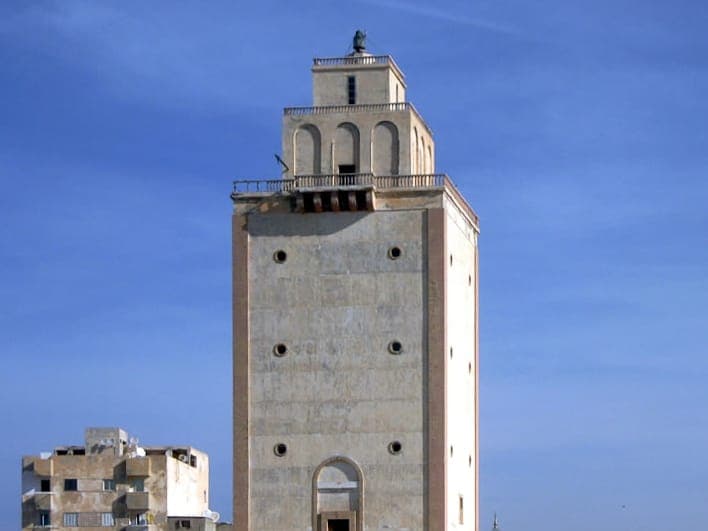
The old lighthouse by the sea, where the city meets the Mediterranean.
Libya in numbers
Through the ages
Twelve thousand years in five panels. Swipe or scroll along.
12,000+ years ago
In the Acacus mountains, people paint giraffes, cattle and dancers on the rock walls.
631 BC
Greek settlers build Cyrene in the green hills of the east.
193 AD
Septimius Severus, born in Leptis Magna, becomes emperor of Rome.
1951
On 24 December 1951, Libya becomes an independent country.
Today
A young, bilingual creative industry is taking shape, and Scada is part of it.
The flag
Libya's flag dates from independence on 24 December 1951, declared from Al-Manar Palace in Benghazi, our home city. It became the national flag again in 2011.
24 December 1951
Omar Faiek Shennib, credited with the design, gave each colour a meaning:
The blood given for Libya's freedom.
The dark days under Italian occupation.
Farming, and the prosperity to come.
A government booklet from 1951 calls the crescent the start of the lunar month in the Islamic calendar, and the star hope and the light of faith.
Libyan Arabic
Libyan Arabic has many words of its own. Here are six you'll hear every day.
شن الجو؟
Shin el-jaw?
Literally “what's the atmosphere?” It's how friends say hello.
باهي
Bahi
The answer to almost anything, from “how are you?” to “see you at eight?”
توّا
Tawwa
“Tawwa nji”: I'm coming right now.
واجد
Wajid
“Shukran wajid”: thanks a lot.
غادي
Ghadi
Usually said with a nod towards the place.
يعطيك الصحة
Ya‘tik es-saha
Literally “may you have health”. Said to anyone who just did you a favour.
Try the map quiz in the arcade: we name the place, you find it.